Light Weight Aluminum Casting Mastery: Methods and Tools for Exceptional Outcomes
Understanding the art of light weight aluminum spreading needs a fragile equilibrium of precision, method, and the usage of specialized tools. From the initial phases of melting the light weight aluminum to the complex process of mold prep work and putting, each action plays an important role in achieving remarkable outcomes. As we discover the complex strategies and devices included in aluminum spreading proficiency, one can not neglect the significance of innovative putting and cooling methods that can boost the last outcome. Remain tuned to discover the important tools and ending up touches that pave the way for impressive aluminum castings.
Significance of Correct Melting Techniques
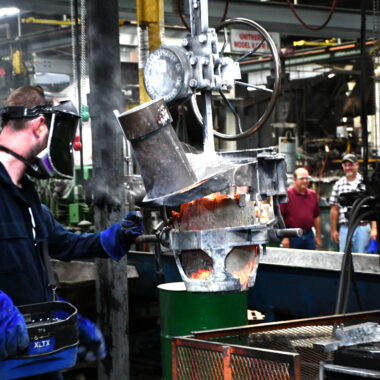
Utilizing precise temperature control during the melting process is critical in making certain the quality and integrity of aluminum spreadings. The melting of light weight aluminum is an essential action in the spreading process, as it directly affects the last residential or commercial properties of the casted parts. Correct melting techniques are vital to achieve the desired metallurgical structure, mechanical properties, and surface area finish of the aluminum components.
In addition, monitoring and adjusting the melt temperature during the process assistance prevent overheating, which can trigger grain growth and impact the total quality of the light weight aluminum casting. Sticking to exact melting strategies not just boosts the top quality of the last item yet additionally boosts the effectiveness and cost-effectiveness of the casting process.
Essential Mold Preparation Steps
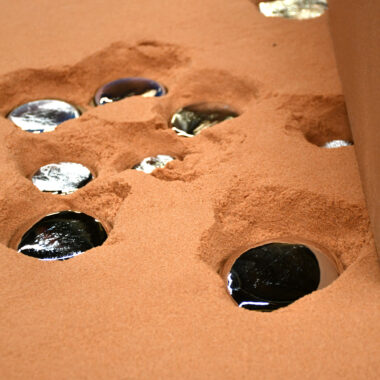
Proper prep work of mold and mildews is a basic facet in the light weight aluminum casting process, ensuring the successful replication of elaborate details and measurements in the last casted elements. The vital mold and mildew prep work steps start with picking the proper molding material, such as sand or investment casting materials, based upon the ins and out of the part and desired coating. Before pouring the liquified light weight aluminum, the mold cavity have to be diligently cleaned up and dried out to stop problems in the casting. In addition, applying mold and mildew layers can assist enhance surface coating and prolong mold and mildew life.
Furthermore, appropriate gating and risering design are necessary in mold prep work to ensure audio castings with very little defects like porosity and shrinking. Eviction system helps with the circulation of liquified metal into the mold and mildew cavity, while risers assist prevent shrinkage by supplying added molten metal as the spreading strengthens. Cautious consideration of these elements throughout mold and mildew preparation substantially adds to the quality and stability of the last light weight aluminum cast components.
Advanced Pouring and Cooling Approaches
Implementing advanced putting and cooling down methods is critical in enhancing the light weight aluminum spreading process for improved performance and top quality outcomes. Utilizing techniques such as vacuum casting can dramatically reduce porosity in the final product, resulting in enhanced mechanical properties. By evacuating the air from the mold tooth cavity prior to putting, the danger of gas entrapment is lessened, causing a denser and even more structurally audio spreading.
Furthermore, employing controlled air conditioning approaches, such as water quenching or air cooling, can affect the product's microstructure and mechanical characteristics (about aluminum casting). Rapid air conditioning can aid attain better grain structures and improved mechanical properties, making the actors light weight aluminum extra ideal for applications needing high stamina and sturdiness
Furthermore, applying directional solidification methods, where the casting strengthens gradually from one end to another, can aid alleviate internal issues and enhance overall component integrity. By very carefully handling the temperature level differentials during solidification, the formation of shrinking porosity and hot splits can be reduced, leading to better spreadings with improved mechanical efficiency.
Important Devices for Aluminum Spreading
Enhancing the effectiveness and quality results of light weight aluminum casting procedures relies greatly on the usage of specific devices developed to maximize different aspects of the casting procedure. One vital device for aluminum casting is the crucible. Crucibles are containers constructed from materials like clay-graphite or silicon carbide that stand up to the heats required for melting light weight aluminum. Crucibles come in various dimensions to suit different casting quantities and are crucial for melting and pouring the liquified aluminum.
Another important device is the mold. Mold and mildews can be made from products like steel, sand, or plaster and are used to shape the molten aluminum into the preferred type. about aluminum casting. Appropriate mold design and products are essential for achieving precise casting dimensions and surface area coatings
Along with mold and mildews and crucibles, a heater is a basic device for light weight aluminum spreading. Heaters warm the steel to its melting factor, ensuring it is in a state ready for casting. Essential for preserving constant temperatures and guaranteeing check my site the aluminum continues to be liquified, heating systems are offered in different types, such as electric, gas, or induction furnaces, each with its benefits for certain casting requirements.
Finishing Touches and High Quality Checks
Upon completing the spreading process, careful interest to finishing touches and strenuous top quality checks is vital to guarantee the integrity and accuracy of the light weight aluminum components - about aluminum casting. Completing touches entail the removal of any kind of excess material, such as flash, gating systems, or harsh sides, to achieve the wanted final shape and surface area high quality. This step usually consists of processes like grinding, fining sand, or fired blasting to improve the appearance and texture of the actors parts
Quality checks are after that carried out to verify that the parts satisfy the specific demands and standards. These checks might involve dimensional assessments utilizing look at this site accuracy tools like calipers or coordinate gauging devices to ensure accuracy. In addition, non-destructive testing methods such as ultrasonic screening or X-ray assessment can be employed to find any interior flaws that may endanger the structural stability of the components.
Conclusion
To conclude, mastering light weight aluminum casting methods and making use of the right tools is necessary for achieving outstanding outcomes. Appropriate melting strategies, mold prep work, putting and cooling down methods, in addition to ending up touches and quality checks are critical action in the casting process. By complying with these actions carefully and utilizing the ideal tools, one can guarantee a top quality and successful aluminum spreading manufacturing.
As we discover the intricate techniques and tools involved in aluminum casting mastery, one can not forget the value of innovative pouring and cooling down techniques that can raise the last result.Correct prep work of mold and mildews is an essential element in the light weight aluminum spreading procedure, making certain the effective duplication of detailed information and measurements in the last casted elements. Prior to putting the liquified aluminum, the mold cavity must be thoroughly cleaned and dried out to avoid problems in the casting.Enhancing the efficiency and top quality end results of light weight aluminum spreading procedures depends heavily on the utilization of details devices created to enhance different aspects of the casting procedure.In click here to read addition to crucibles and molds, a heater is an essential tool for aluminum casting.
Comments on “Unraveling About Aluminum Casting: From Fundamentals to Know-how”